 Pilot partners wanted · 2026–27
Neighborhood reforestation that starts in the classroom and takes root at home.
Have you ever wanted to help students plant trees at home with their families? This is a way to do it.
Planting Our Future is a program template built from Growing Together's Trees program. We're recruiting pilot partners who want to empower students to become neighborhood tree stewards, through customizable environmental lessons and free fruit trees that families plant and care for in their own backyards. Partners bring the people. We bring the lessons, the playbook, a season of coaching, and need-based grants for the trees.
Applications are due Friday, October 2. The cohort kicks off the week of October 5.
How it works
Community reforestation in 3 parts.
We believe that school classrooms are a unique and effective way to tackle urban reforestation, by empowering students to steward trees in their own neighborhoods and backyards.
Classroom lessons
Customizable drop-in lessons, a tree sequence to get your class excited about trees and how they live. They come with all their materials, comprehensive but with room to adapt.
Optional Campus planting demo
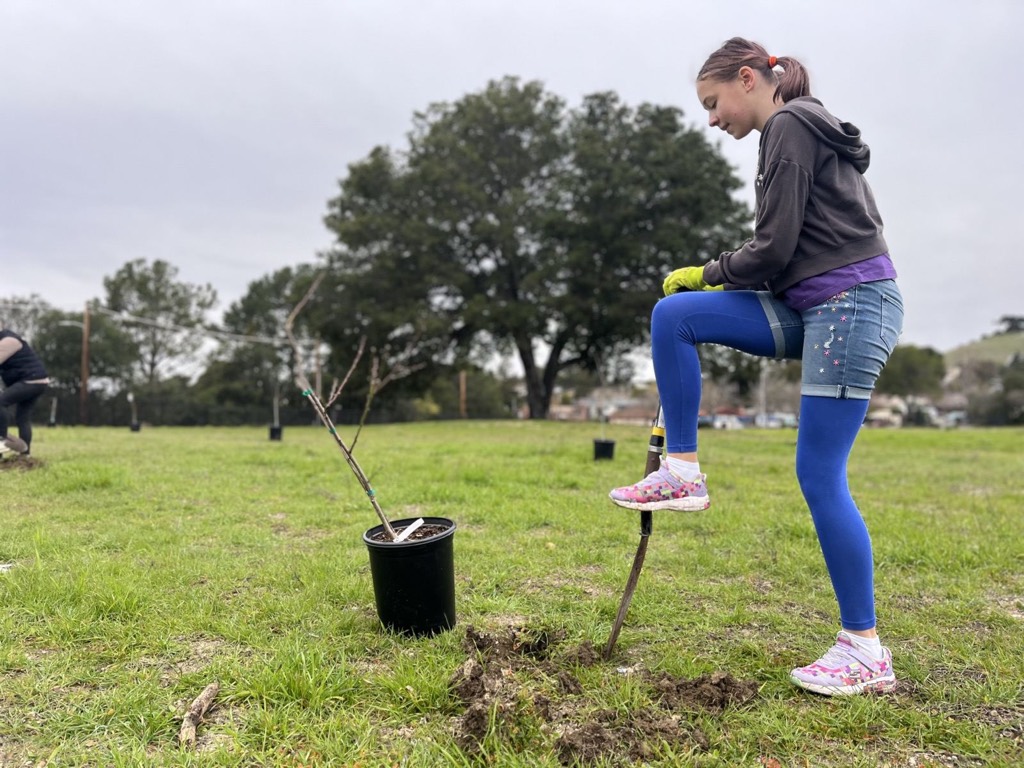
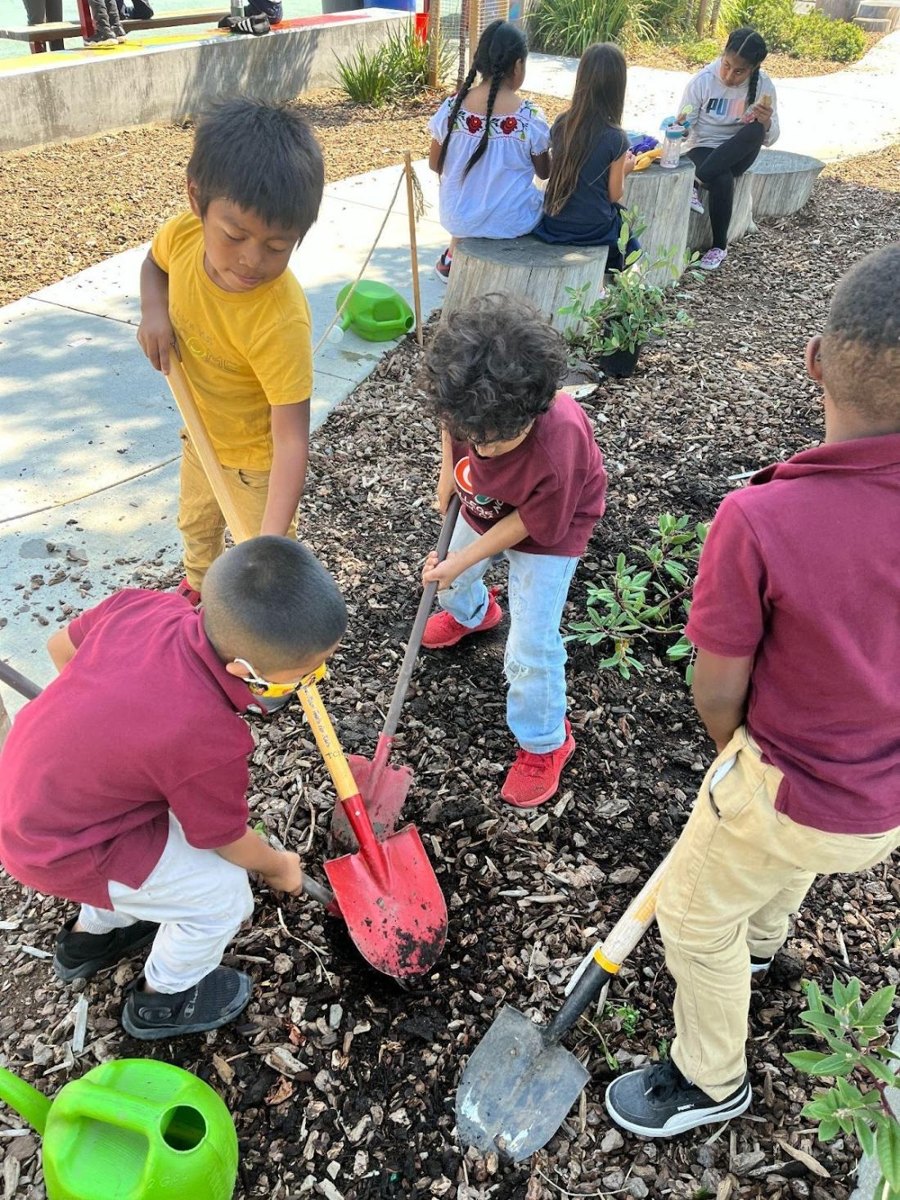
For schools that have the space and the ability to steward a new tree on campus, an optional on-campus planting demo helps students get hands-on experience before taking a tree home.
School-site tree distribution
Families sign up for free fruit trees and pick them up right at your school on distribution day.
At-home planting & stewardship
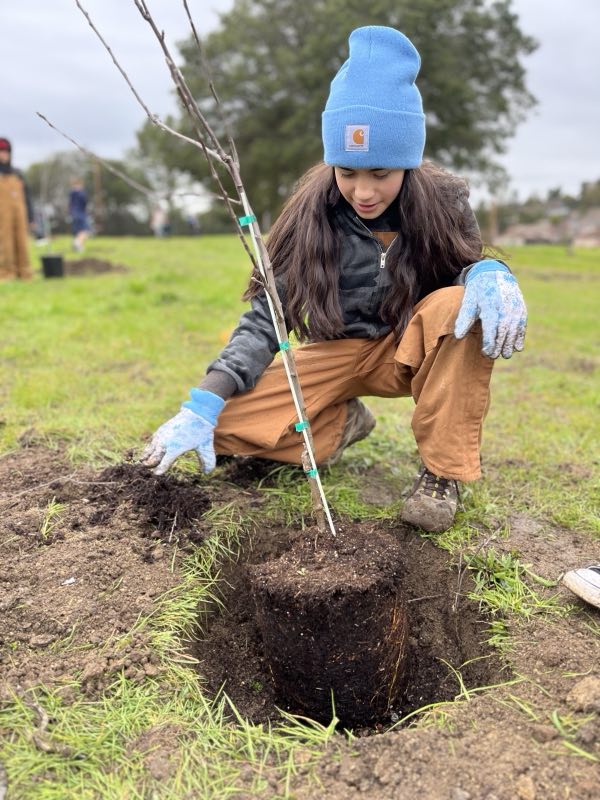
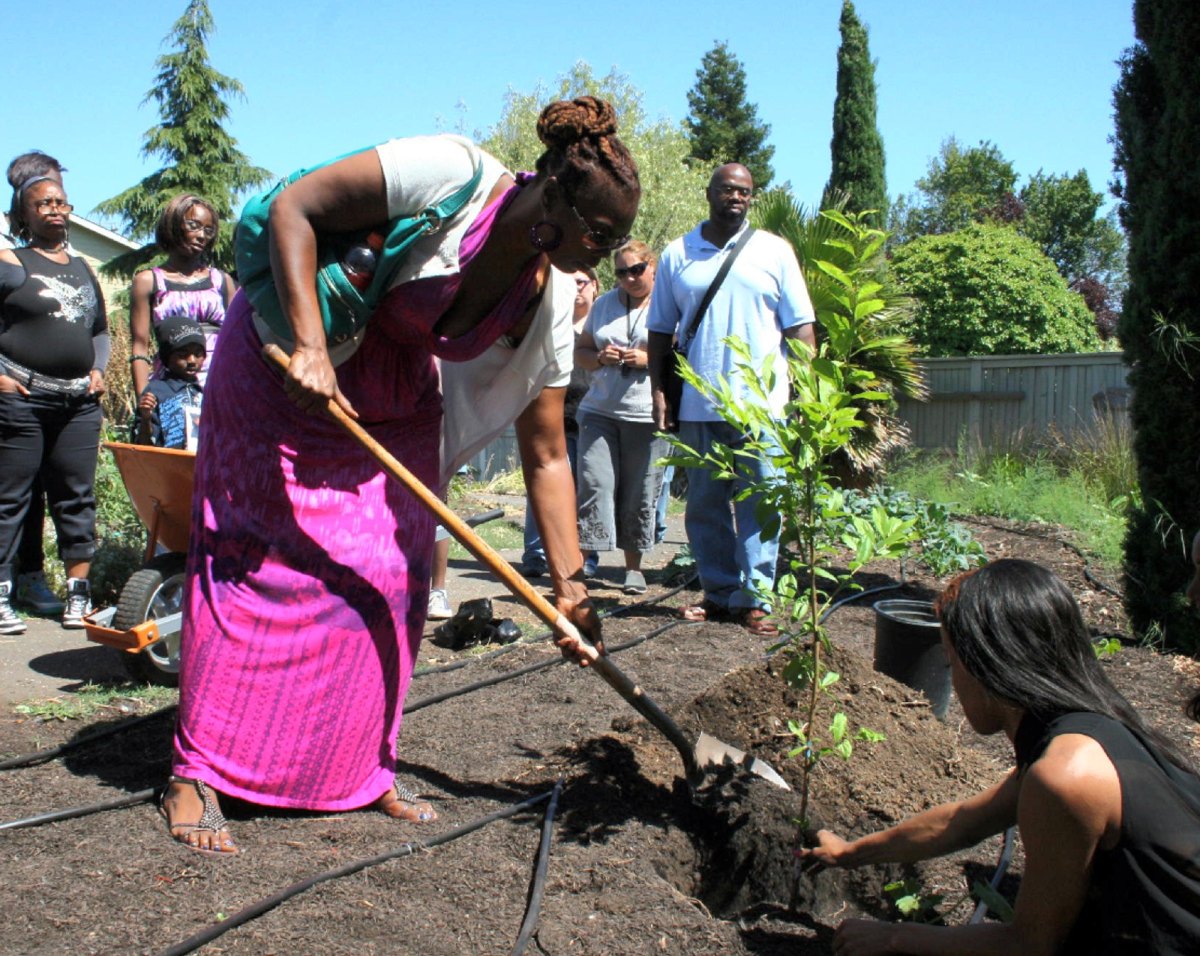
Students and families plant together at home, and ongoing follow-up keeps the trees alive and growing.
What it takes
Two different ways we can work with schools.
One teacher
A committed teacher, a supportive principal, and a few hours a week for one season. Need-based grants cover the trees for the first 25 households.
A community partner org
A named program lead, a share of one staff person's time, and tree funding beyond the first 25 households if you run it across more classrooms. You'll need to work directly with classroom teachers, whether you teach students yourselves or support teachers through training, lesson development, or technical assistance.
What you get
Everything but the trees, and one-on-one support when you're stuck.
- ✓Drop-in lessons with lesson materials. Run the full sequence or customize to the number of lessons you have time or space for. Build your sequence →
- ✓The operations playbook: sign-up forms, ordering guides, pickup-day run sheets, and bilingual family materials (English & Spanish)
- ✓Guidance on family follow-up: the check-in model our survival rates rest on
- ✓Mentorship from the Growing Together team through your first season
- ✓Free for pilot partners: the toolkit, the training, and the mentorship. Need-based grants cover the trees for the first 25 households
- ✓Guidance on sourcing trees locally, wherever you are
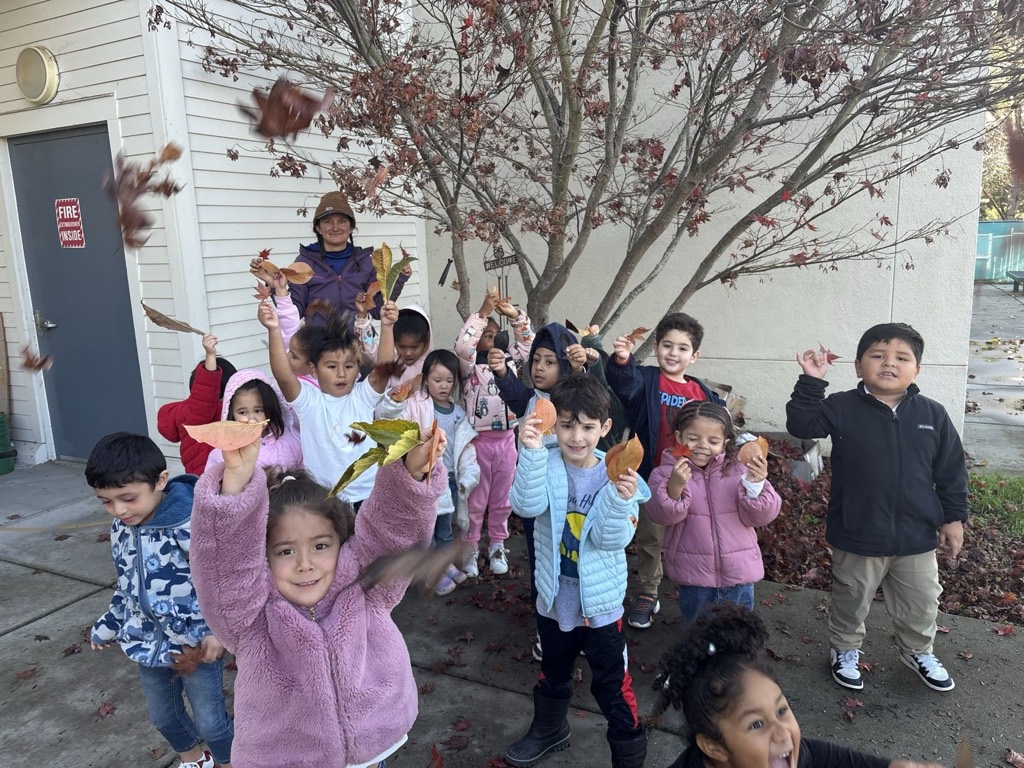
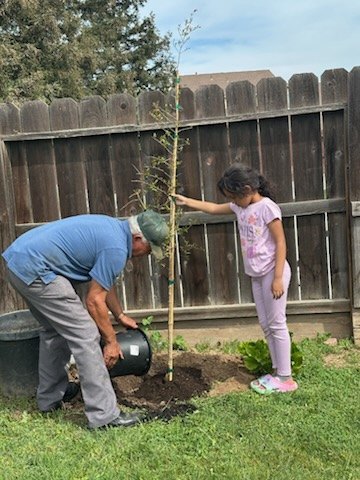
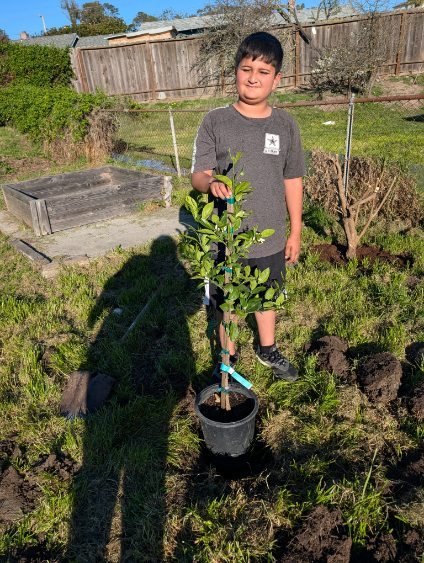
Real classes. Real families. Real trees in the ground.
It centers schools as hubs for community reforestation, which not only encourages students to act as agents of change in their own neighborhoods … but it’s also their families that are learning from their children.
Anna MaheuTrees program director, 2022–23
The history of this program
We’ve been planting trees in school communities since 2013.
Now, with the support of Green Schoolyards America and CAL FIRE, we’re refining that experience into a model any school can run.
Urban reforestation rarely fails at the planting. It fails at the years of care that come after, in exactly the neighborhoods that need trees most.
Our answer is ownership. Families choose their own fruit tree and become its stewards, planting and caring for it at home, so every tree has someone invested in its survival.
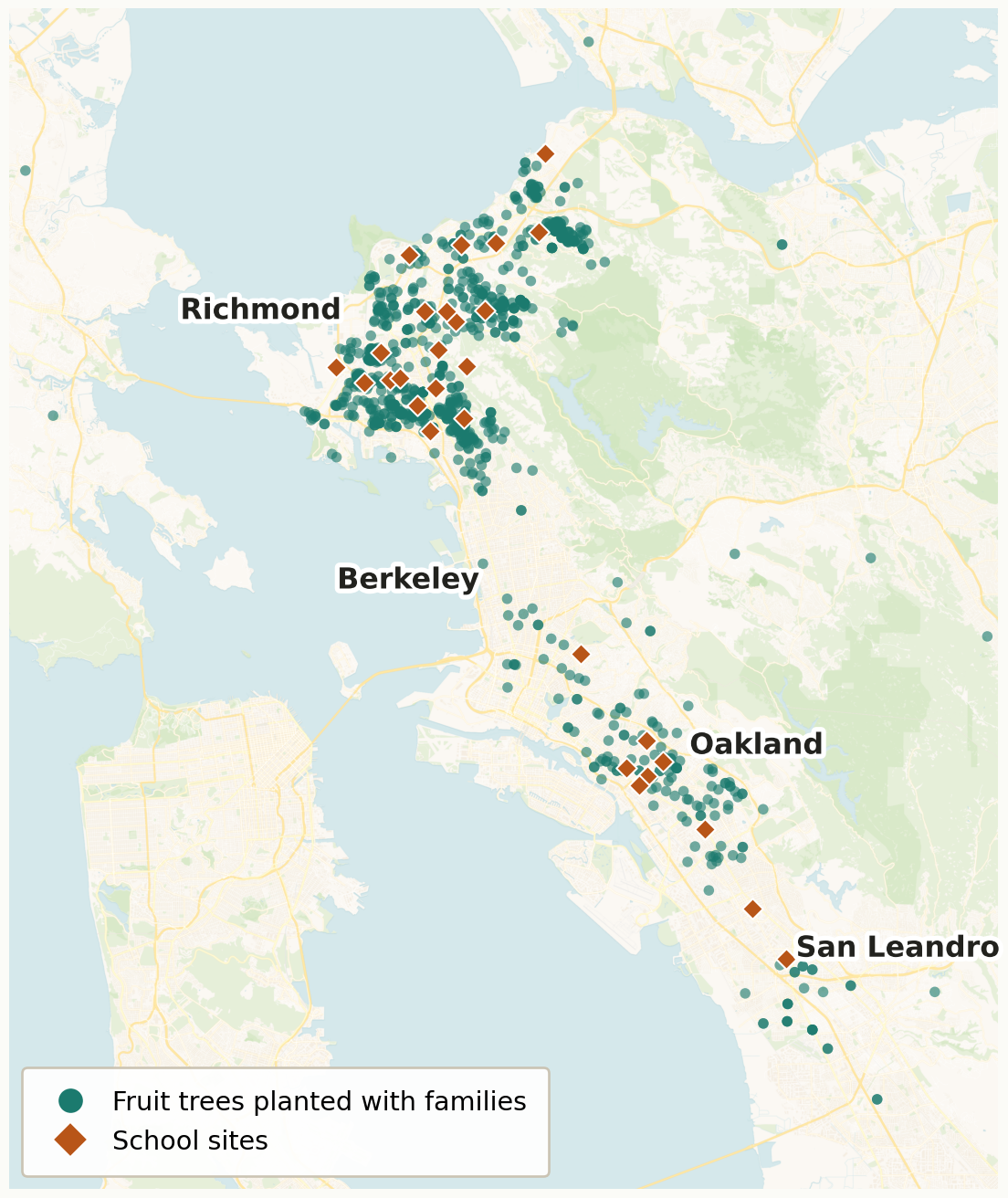 1,100+ trees planted at 32 schools in the past four years alone.
We’ve planted since 2013; the count covers the last four years, when we began tracking every tree.
Who’s behind it

Built by Growing Together, a nonprofit greening K-12 public schools across Oakland, WCCUSD, & San Lorenzo. Over four years we’ve reached 30+ schools and planted more than 1,100 fruit trees with families, then stayed with them after planting day. Now we're packaging how we do it so a teacher anywhere can run it too.
In partnership with Green Schoolyards America. Funded by CAL FIRE. We're testing this toolkit with our first cohort of pilot partners in 2026–27 and refining it with their feedback.